
The Story Behind the Alex Breanne Corporation
How it all began
It began with a question of value
I grew up in San Diego, California, during the 1970s. From the time I was a young child, my father worked hard to teach me to be proud of being Black—proud of my skin, my African features, and my hair. He understood something that I did not— that the world around me would sometimes send very different messages. And it did.
As a child, I experienced moments that quietly shaped the way I saw myself—moments of racism and bias, most that I did not understand. Individually, some seemed small. Collectively, they left an imprint.
Despite everything my father had tried to teach me, somewhere along the way I had absorbed the idea that white Americans were somehow more valuable than I was.
It would take discovering my ancestors for me to understand just how wrong I had been.
The Path into the Woods
In the 1990s, my sister began researching our family history. She discovered that our paternal grandfather, Milon Mills, had come from Henderson, Texas. His father died when he was four. His mother died during the influenza pandemic of 1918. As a young man, Milon's willingness to challenge the racial boundaries of East Texas eventually put him in danger. His family sent for his older brother in California and forced Milon to leave Texas. That migration ultimately became part of the reason I was born in San Diego.
Then we went another generation back. My sister discovered our great-great-grandfather Ned Mills, born in Georgia around 1825. He had been enslaved, taken to Texas, and eventually became free following emancipation in Texas—the event we now commemorate as Juneteenth. For the first time, American slavery wasn't something that had happened to anonymous people in a history book. It had happened to my family.
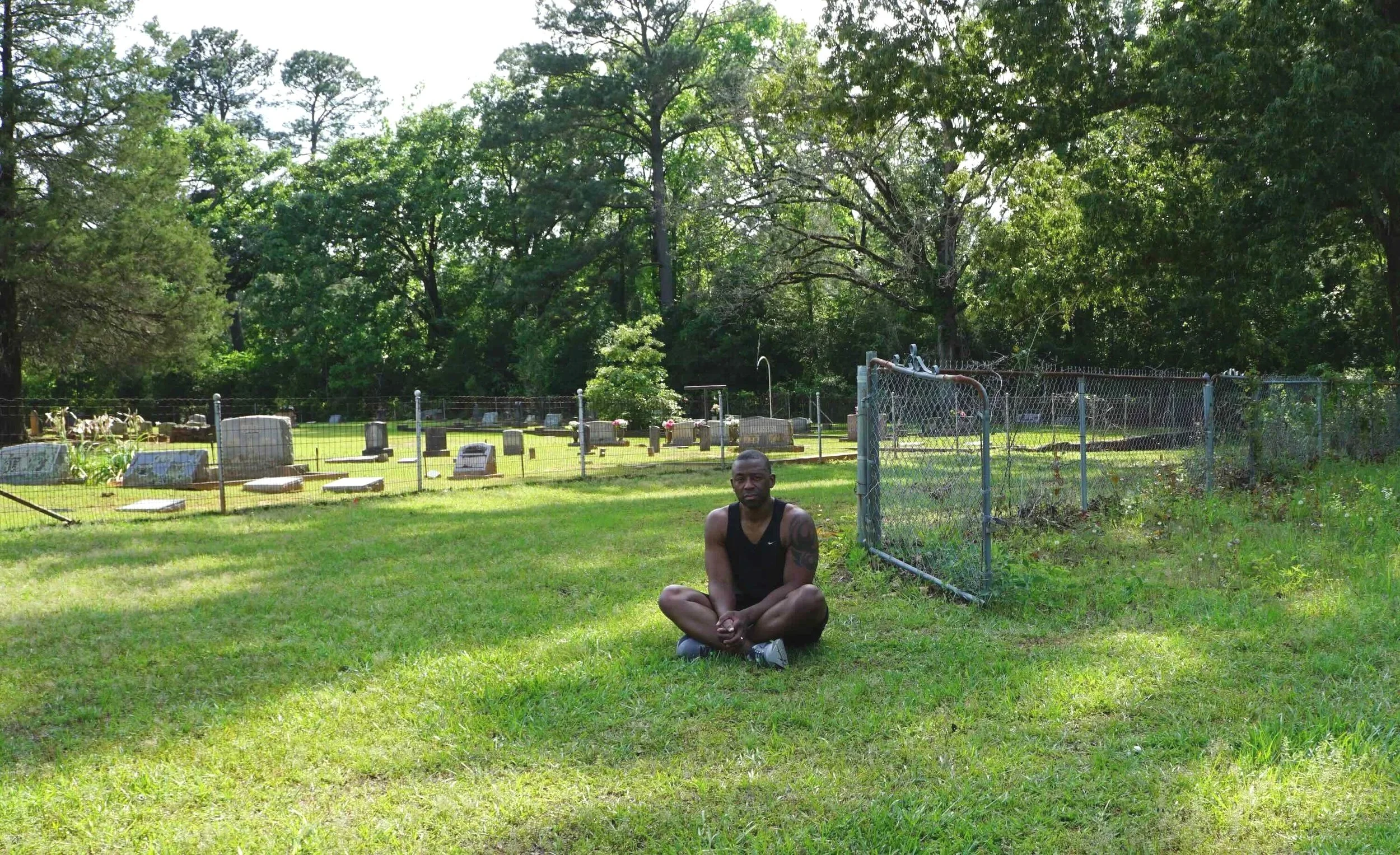
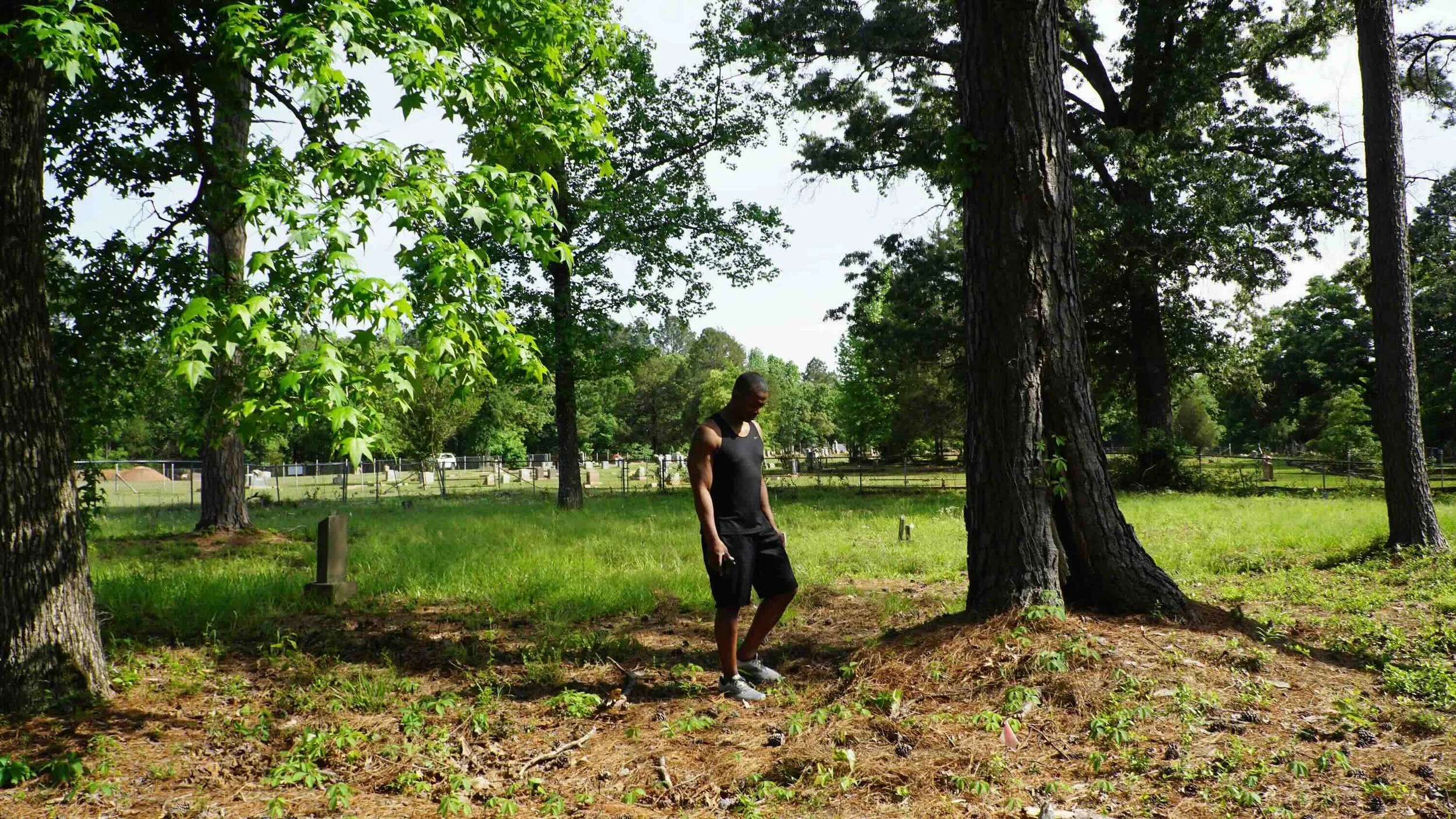
On July 4, 2003, my sister and I traveled to a cemetery in East Texas looking for our ancestors. We walked through a beautiful, carefully maintained cemetery but couldn't find them. Eventually, we noticed a lightly traveled path running outside the cemetery fence and disappearing into the woods. We followed it.
There, beneath the trees, we began finding our family. The maintained cemetery had historically been for white burials. Black people—including members of my family—had been buried in the woods beyond it.
Standing there, I thought about my grandfather. He had lost both of his parents as a child. At some point, members of his family had walked that same path, past the maintained graves of white residents and into the woods to bury people they loved.
I began wondering what experiences like that did to generations of people. What did they teach a Black child about whose life mattered? Whose family deserved to be remembered? Whose history was worth preserving?
And suddenly I understood something about myself.
Reverence
For much of my childhood, the African Americans I had been taught to revere were extraordinary people such as Harriet Tubman, Frederick Douglass, Rosa Parks and Dr. Martin Luther King Jr.
But standing among my ancestors changed my definition of greatness. I began to revere the millions.
I revered the people whose names rarely appeared in history books—the enslaved men and women who survived circumstances designed to deny their humanity; who created families, loved their children, endured unimaginable hardships, pursued freedom and built lives anyway.
They persisted.
They persevered.
They survived.
And because they did, I exist.
My sister's research uncovered another extraordinary connection. Our maternal grandfather's great-grandfather, William Cooper, had served in the United States Navy during the Civil War. My grandfather never knew that. He died before we could tell him.
William Cooper was later buried in Baltimore's historic Laurel Cemetery, an African American burial ground that was eventually erased from the landscape and paved over during the twentieth century.
Once again, I confronted the same question:
What happens when people's stories—and even the places where they were buried—are allowed to disappear?
I decided that recovering those stories wasn't enough.
They needed to be returned.
From Genealogy to Restoration
I began researching African Americans who had been enslaved and then doing something that would become central to my work: tracing their families forward through time.
Rather than stopping with someone who lived two hundred years ago, I wanted to know:
Who are their descendants today?
And when possible, I found them.
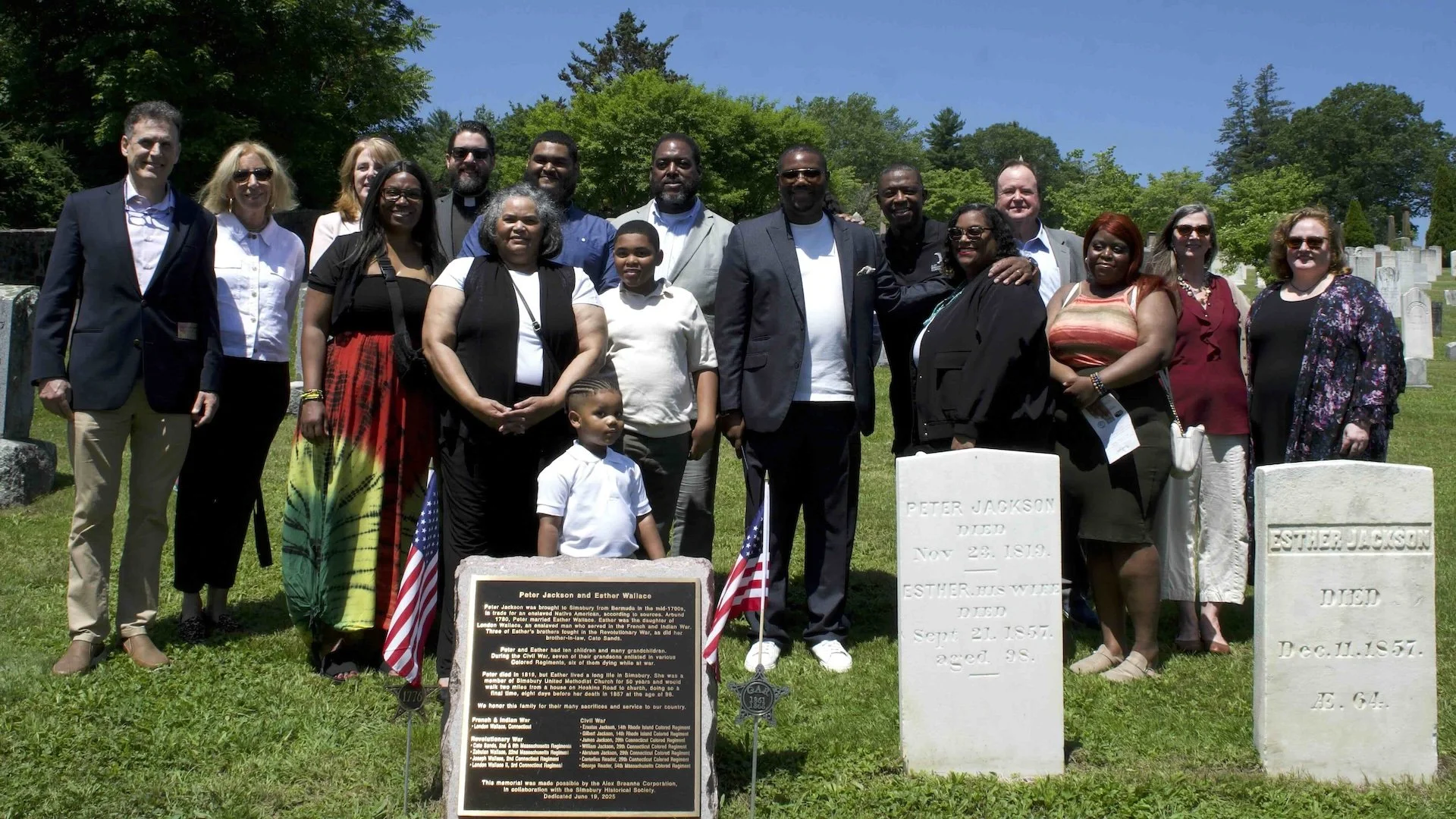
I began returning histories to families who sometimes had no idea that these remarkable people were their ancestors.
The work eventually expanded beyond genealogy. It became about restoring burial sites, commissioning portraits, creating monuments and murals, correcting historical records, working with museums and schools, and placing forgotten people back into the public landscape.
The principle behind all of it remained remarkably simple:
People deserve to know where they come from. And the people who came before us deserve to be remembered.
Why “Alex Breanne“?
In September 2022, my family experienced something that would give this work its name. My adopted daughter, Alex Breanne Mills, suffered a fentanyl overdose and was placed on life support. Doctors told us that she would not regain consciousness. We sought another opinion. The conclusion was the same.
Our family made the devastating decision to remove life support.
Then we learned that Alex was an organ donor. Her doctors postponed the procedure while her organs were evaluated for donation. During that week, as I tried to comprehend that my daughter was going to die, I began thinking about how I could memorialize her.
I was already doing historical and genealogical work. I decided to formalize that work as a nonprofit organization and give it her name.
Alex Breanne Corporation was born as a memorial.
Then something happened that none of us expected. On the afternoon we were scheduled to say goodbye, an ICU physician entered Alex's room and noticed something different. Alex appeared to follow him with her eyes. He canceled the procedure.
Over the following weeks, Alex slowly began to return to us. And the meaning of the name changed forever.
Alex Breanne Corporation was no longer a memorial. It became a celebration of survival.
In Alex, I saw something that I had learned to see in my ancestors—the capacity of human beings to persist when circumstances suggest that they should not.
Resilience.
Survival.
The determination to remain.
The Work Continues…
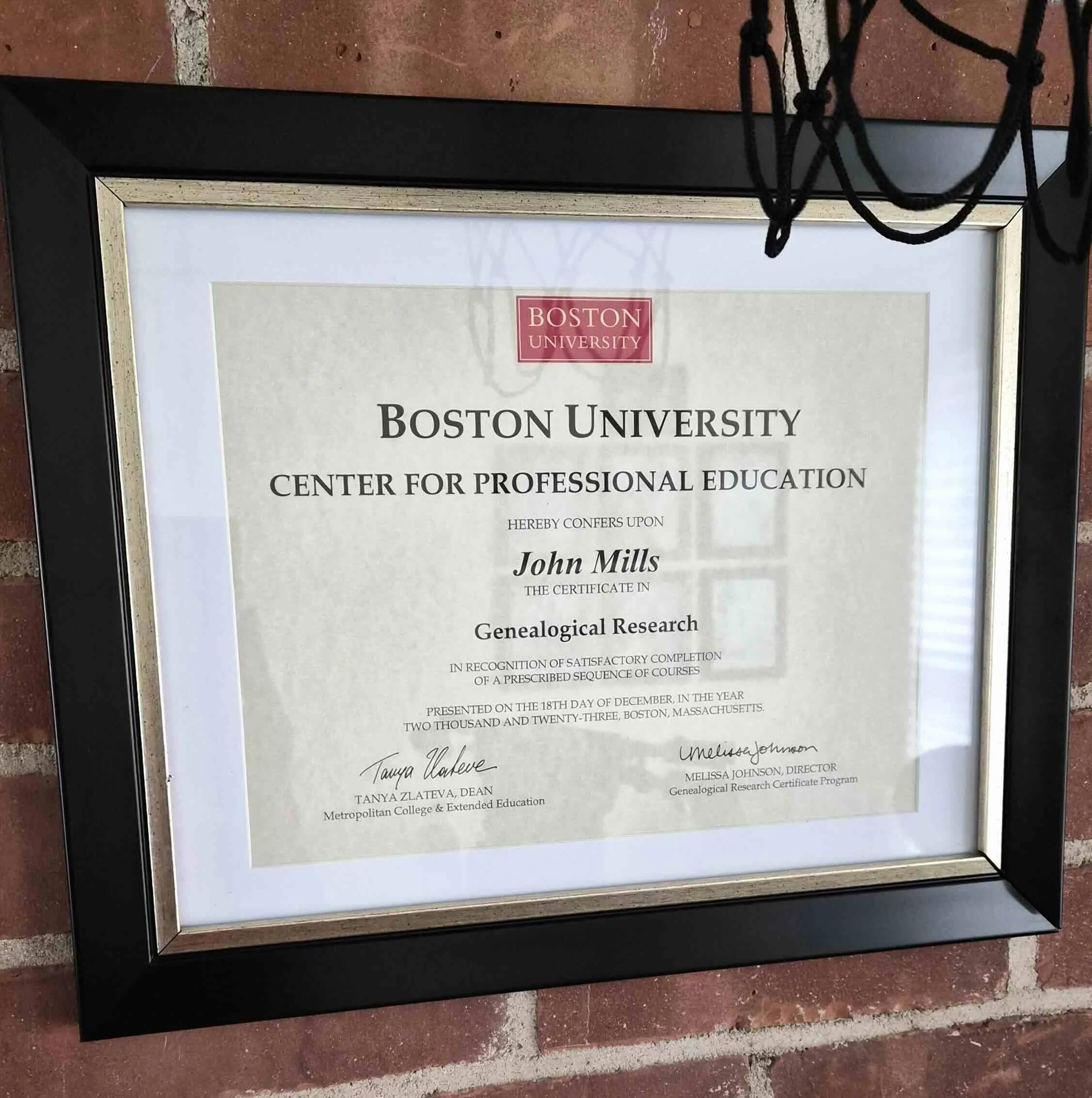
I formally established Alex Breanne Corporation in 2022 and subsequently completed Boston University's Certificate in Genealogical Research program in December 2023. My training strengthened a technique that has become fundamental to our work: reverse genealogy—beginning with someone in the historical record and tracing their lineage forward to living descendants.
But the purpose of the organization began long before a certificate or a nonprofit existed.
It began with a little Black boy who had somehow learned to question his own value.
It changed when that boy, now a man, walked down a path into the woods in East Texas and found the people who made his life possible.
And it became a mission:
To recover the lives of people history has too often forgotten.
To reconnect their descendants with the people who came before them.
And to restore those lives to the public memory where they have always belonged.